


New to Nature

New to Nature was an ambitious paid work placement programme that creates life-changing career opportunities for young people from underrepresented backgrounds, whilst contributing to wider efforts to build a more diverse and accessible environmental sector.
Funded by The National Lottery Heritage Fund as part of its £7 million legacy for communities and nature programme celebrating the Queen’s Jubilee and King’s Coronation, New to Nature supported nearly 100 young people from diverse and disadvantaged backgrounds.
These young people spent a year working across 82 charity and public sector, nature-focused organisations around the UK, including The Woodland Trust, RSPB, The Conservation Volunteers, and Grow UK.
The Youth Environmental Service was proud to help deliver this programme led by Groundwork UK and in partnership with The Prince’s Trust, Mission Diverse, and Disability Rights UK. Together, our collaboration earned a Charity Times Award nomination for Charity Collaboration of the Year.
Trainees were paid the Real Living Wage, and organisations received wage contributions of up to 100%, based on their size and income.

95%
of host organisations would take part again
92%
of trainees now feel confident finding a job in their field of interest
90%
of the first cohort of trainees secured ongoing employment at the end of their placement.
‘Today’ - A poem by New to Nature Trainee, Emma
Emma spent a year working as a Conservation Trainee at the Scottish Seabird Centre, focusing on community engagement and practical conservation.
At the end of her placement she wrote a poem about her experience on the New to Nature programme.
What we learned
We learnt a huge amount from our first programme, including:
Inclusive recruitment boosts confidence: Inclusive recruitment practices enable a diverse range of young people to feel more confident in applying. It also makes the process more personal and sets a positive tone for the year.
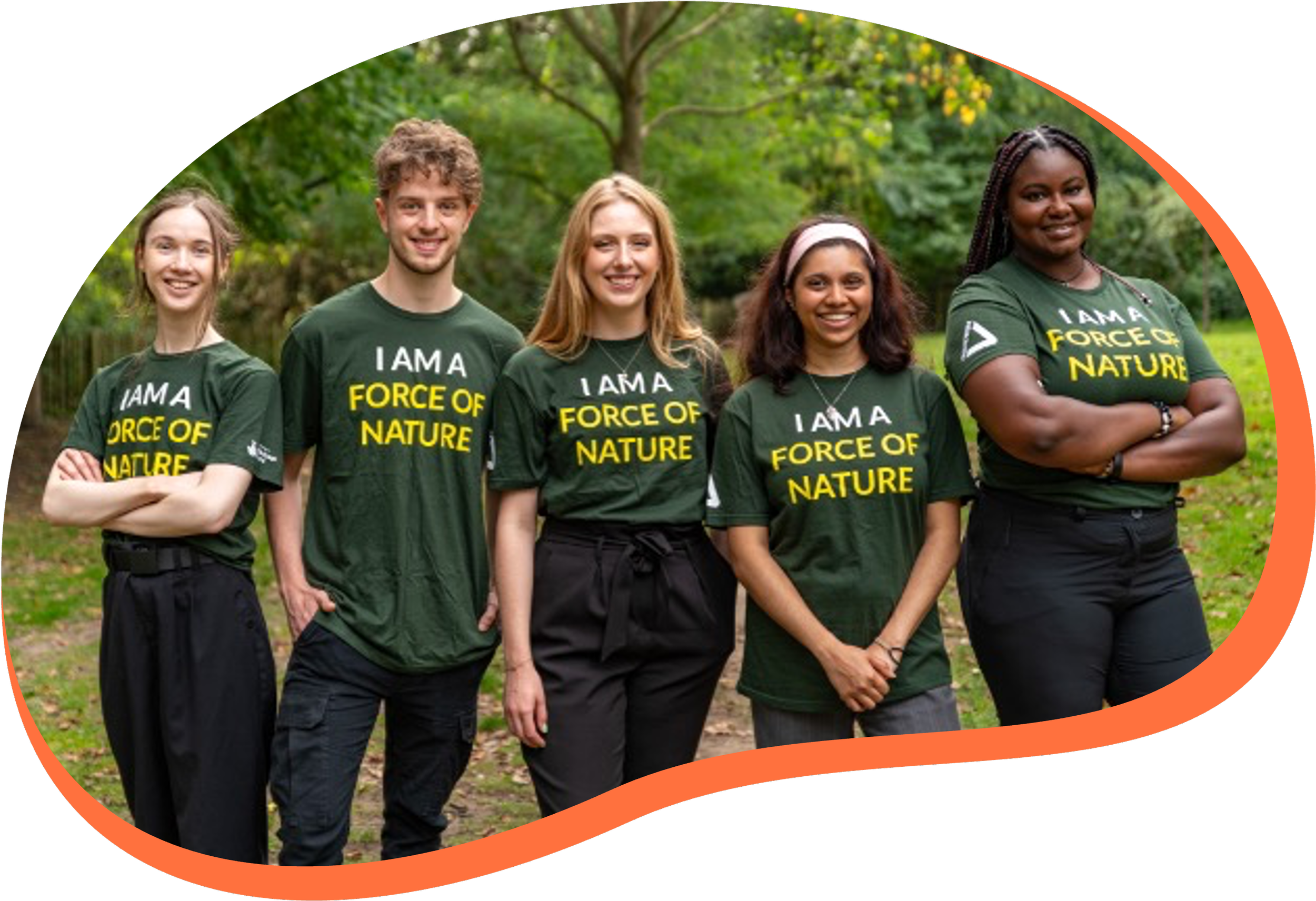
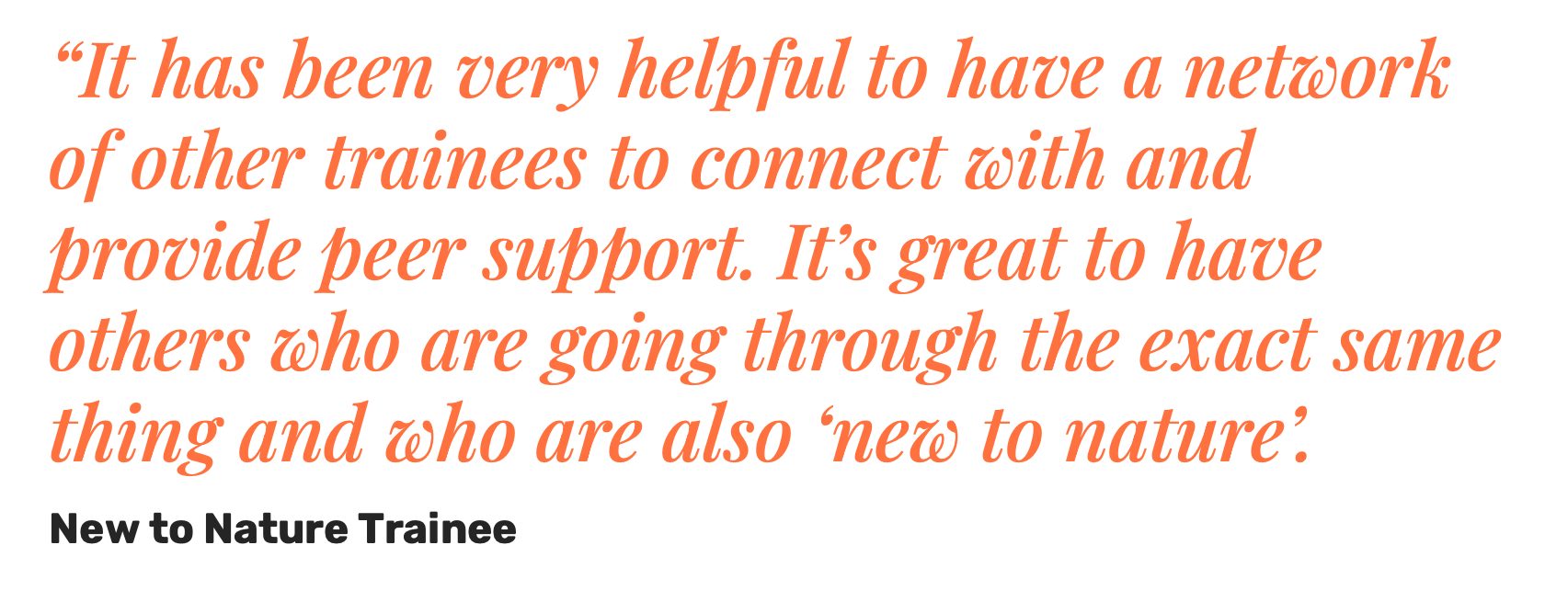
Peer support is powerful: The sense of being part of a trainee network, meeting in-person and supporting one another through the year was highly valuable, boosting trainee confidence and engagement in the programme.
Consider geographical limitations: Trainees being spread across the UK, with some in remote areas, made it difficult to bring everyone together regularly.
Don’t underestimate the positive wellbeing impacts: Trainees’ general wellbeing improved across all areas during the programme, showcasing the impact that paid meaningful work, nature connection and peer support can have on young people’s mental health.
Varied experiences: Employment coaches were valuable but varied in effectiveness. Future programmes would benefit from fewer coaches supporting more trainees to foster better connections.
Wider ranging financial support: Large organisations could take on more trainee costs, as the training and development support offered to organisations are attractive incentives beyond funding.
Interested in doing something similar?
We’re keen to share what we’ve done, what we’ve learnt, and give you the tools to make it happen where you are. Fill out the form below and we’ll get in touch: